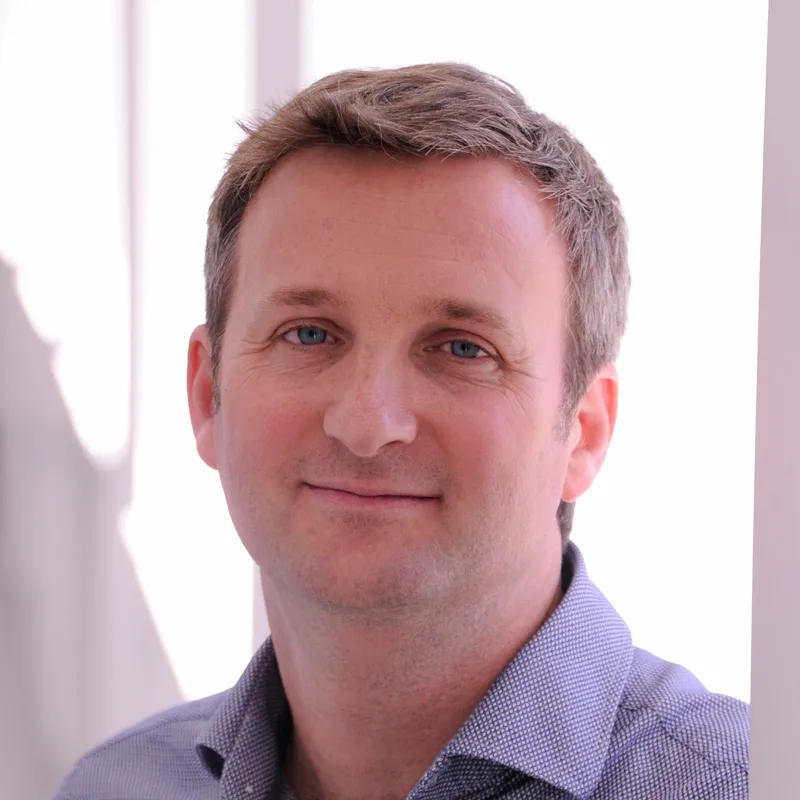
Mathew Garnett
Wellcome Sanger Institute
Biography
Mathew Garnett, PhD is a Senior Faculty member and leads the Translational Cancer Genomics laboratory at the Wellcome Sanger Institute, Cambridge UK. His research aims to understand how genetic changes contribute to cancer and to identify molecular biomarkers that will improve the development of new cancer therapies using high-throughput chemical and genetic screens in cancer cell lines and organoids. His research team have contributed to the generation of widely used reference datasets and tools including resources such as the Genomics of Drug Sensitivity in Cancer project, the Cancer Dependency Map at Sanger, and the Human Cancer Model Initiative. Mathew is also a founder and advisor for Mosaic Therapeutics (https://mosaic-tx.com/) which is developing molecular-guided cancer drug combinations. fter obtaining a BSc in Biochemistry (Hons.) at the University of British Columbia, Canada, Mathew completed his PhD with Prof. Richard Marais at the Institute of Cancer Research (London, UK) on the characterisation of BRAF as a cancer gene. In 2005 Mathew moved to the laboratory of Prof. Ashok Venkitaraman (Cambridge, UK) for his post-doctoral research, where he discovered a new regulator of cell division. Mathew joined the Sanger Institute in 2009 as a Senior Staff Scientist and established his own laboratory in 2014.
Relevant Publications
- Pan-cancer proteomic map of 949 human cell linesGonçalves E., Poulos R.C., Cai Z., et al., Cancer Cell (2022).
- Effective drug combinations in breast, colon and pancreatic cancer cellsJaaks P., Coker E.A., Vis D.J., et al., Nature (2022).
- Werner helicase is a synthetic-lethal vulnerability in Mismatch Repair-Deficient Colorectal Cancer Refractory to Targeted Therapies, Chemotherapy and ImmunotherapyPicco G., Cattaneo C.M., van Vliet E.J., et al., Cancer Discovery (2021).
- Drug mechanism-of-action discovery through the integration of pharmacological and CRISPR screensGonçalves E., Segura-Cabrera A., Pacini C., et al., Molecular Systems Biology (2020).
- Prioritization of cancer therapeutic targets using CRISPR-Cas9 screensBehan F.M.*, Iorio F.*, Picco G., et al., Nature (2019).
- Cell Model Passports-a hub for clinical, genetic and functional datasets of preclinical cancer modelsvan der Meer D.*, Barthorpe S.*, Yang W., et al., Nucleic Acids Research (2018).
- Organoid cultures recapitulate esophageal adenocarcinoma heterogeneity providing a model for clonality studies and precision therapeuticsLi X., Francies H.E., Secrier M., et al., Nature Communications (2018).
- A landscape of pharmacogenomic interactions in cancerIorio F.*, Knijnenburg T.A.*, Vis D.J.*, et al., Cell (2016).